Buy giaohang.eu ?
We are moving the project
giaohang.eu .
Are you interested in purchasing the domain
giaohang.eu ?
domain@kv-gmbh.de · 0541-91531010
Buy giaohang.eu ?
What happens to a shipping container after delivery?
After a shipping container is delivered to its destination, it can be used for a variety of purposes. Some containers are repurposed for storage on-site, while others are used for temporary or permanent housing, offices, or retail spaces. Additionally, some containers are returned to shipping companies to be used for future cargo transport. In some cases, containers may also be recycled or scrapped for their metal. Overall, shipping containers have a long lifespan and can be utilized in a variety of ways after their initial delivery. **
How does container transport work?
Container transport involves the movement of goods in standardized containers that can be easily transferred between different modes of transportation, such as ships, trains, and trucks. The containers are loaded with goods at the point of origin and then transported to a port where they are loaded onto a ship. The ship then carries the containers to the destination port, where they are unloaded and transferred to trucks or trains for final delivery to their destination. This method of transport is efficient, cost-effective, and allows for easy tracking and monitoring of goods throughout the supply chain. **
Similar search terms for Container
Top-Angebote
Products related to Container:
-
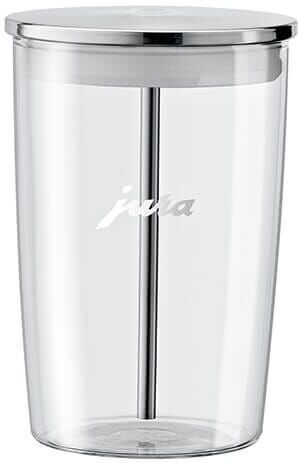
Jura Glass Milk ContainerThe 0.5 litre capacity Jura glass milk container is suitable for use with your Jura coffee machine, providing fresh milk for your milk foam and frothy coffees. The milk pipe connected to the lid allows the milk to be transferred to the coffee machine via the connecting tube. The glass milk container fits perfectly in the fridge, so milk is always fresh when needed. Dishwasher safe for easy and convenient cleaning.31,15 £*Shipping: 3,50 £Secure redirect to the provider
-
eufy Wearable Breast Pump S1 + Milk Container eufy Breast Pump S1 + Milk ContainerHSA/FSA Eligible: Save with pre-tax health dollars. eufy Wearable Breast Pump S1 The Innovative Heated Wearable Breast Pump: Groundbreaking HeatFlow™ technology prevents clogs and boosts your output by 30%¹. Enjoy high-efficiency pumping with...229,99 $*Shipping: 0,00 $Secure redirect to the provider
-
Uplift Essentials Stainless Steel Butter Dish & Cheese Container Stainless Steel Butter Dish & Cheese ContainerElevate your tabletop presentation and preserve the freshness of your dairy products with a highperformance storage solution designed for durability and elegance. This 7 inch butter dish is the ultimate solution for home chefs and entertainers who...58,97 $*Shipping: 0,00 $Secure redirect to the provider


-
What are the advantages of container transport?
Container transport offers several advantages, including increased efficiency in loading and unloading processes, reduced risk of damage to goods during transit, and improved security due to the sealed nature of containers. Additionally, containers can be easily transferred between different modes of transportation, such as ships, trains, and trucks, making it a versatile and cost-effective option for long-distance transport. Lastly, containerization allows for better tracking and monitoring of shipments, leading to improved supply chain visibility and management. **
-
Can a shipping container or truck container be used as a retaining wall?
Shipping containers or truck containers can be used as retaining walls in certain situations. They are sturdy and can provide a strong barrier to hold back soil or other materials. However, it is important to ensure that the container is properly reinforced and anchored to prevent any potential collapse or failure. Additionally, proper drainage and backfilling techniques should be implemented to avoid water buildup and pressure against the container wall. Consulting with a structural engineer or professional is recommended to ensure the safety and effectiveness of using a container as a retaining wall. **
-
How much does the transport of a container cost?
The cost of transporting a container can vary depending on several factors such as the distance to be covered, the mode of transportation (road, rail, sea, or air), the size and weight of the container, and any additional services required. On average, the cost of transporting a standard 20-foot container can range from $500 to $3,000, while a 40-foot container can cost between $1,000 to $6,000. It is important to obtain quotes from different transportation companies to compare prices and services before making a decision. **
-
How can I transport cupcakes without a special container?
You can transport cupcakes without a special container by placing them in a sturdy, flat-bottomed box or container lined with non-slip shelf liner or a damp paper towel to prevent them from sliding around. You can also use a muffin tin or a shallow baking dish covered with plastic wrap. To keep the cupcakes from getting squished, place them in a single layer and avoid stacking them on top of each other. If possible, try to keep the cupcakes in a cool, stable environment during transport to prevent any frosting from melting or getting smudged. **
What is the food suitability of a shipping container?
A shipping container can be suitable for storing non-perishable food items such as canned goods, grains, and other dry goods. However, it is not suitable for storing perishable items or food that requires refrigeration, as the container is not climate-controlled. Additionally, it is important to ensure that the container is clean and free from any contaminants before storing food in it. Overall, a shipping container can be suitable for non-perishable food storage as long as proper precautions are taken. **
Where am I allowed to place a shipping container?
Shipping containers can be placed on private property with the owner's permission, as well as on construction sites, industrial areas, and commercial properties. However, placement on public property or residential areas may require special permits or zoning approvals. It's important to check local regulations and obtain any necessary permits before placing a shipping container in a specific location. **
Top-Angebote
Products related to Container:
-
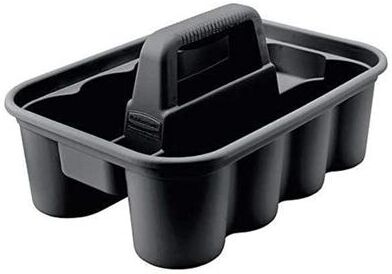
Universal Stock Deluxe Drink Carrier Coffee Cup Caddy For Food Delivery, Takeout & Everyday Transport Deluxe Drink Carrier Coffee Cup Caddy For Food Delivery, Takeout & Everyday TransportExperience hasslefree drink transport wherever life takes you. This 1 pc of coffee cup carrier is designed for delivery drivers, busy families, office workers, and anyone who needs a reliable way to carry multiple beverages without spills. Its...79,97 $*Shipping: 0,00 $Secure redirect to the provider
-
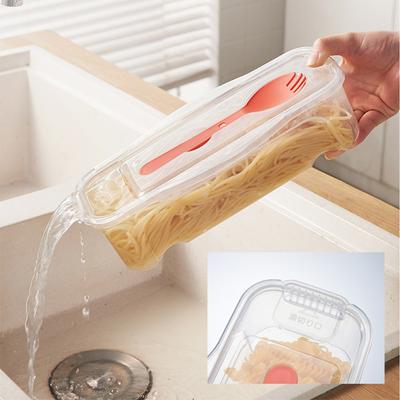
USA Free Shipping Shop Microwave Noodle Bowl With Strainer & Lid 44oz Microwave Food Container With Flatware Microwave Noodle Bowl With Strainer & Lid 44oz Microwave Food Container With FlatwareEnjoy quick, messfree meals wherever life takes you with this Microwave noodle bowl designed for fast, convenient cooking. Perfect for busy professionals, students, and anyone who loves easy homemade meals, this microwave food container lets you...41,97 $*Shipping: 0,00 $Secure redirect to the provider
-
Jura Glass Milk ContainerThe 0.5 litre capacity Jura glass milk container is suitable for use with your Jura coffee machine, providing fresh milk for your milk foam and frothy coffees. The milk pipe connected to the lid allows the milk to be transferred to the coffee machine via the connecting tube. The glass milk container fits perfectly in the fridge, so milk is always fresh when needed. Dishwasher safe for easy and convenient cleaning.31,15 £*Shipping: 3,50 £Secure redirect to the provider
-
What happens to a shipping container after delivery?
After a shipping container is delivered to its destination, it can be used for a variety of purposes. Some containers are repurposed for storage on-site, while others are used for temporary or permanent housing, offices, or retail spaces. Additionally, some containers are returned to shipping companies to be used for future cargo transport. In some cases, containers may also be recycled or scrapped for their metal. Overall, shipping containers have a long lifespan and can be utilized in a variety of ways after their initial delivery. **
-
How does container transport work?
Container transport involves the movement of goods in standardized containers that can be easily transferred between different modes of transportation, such as ships, trains, and trucks. The containers are loaded with goods at the point of origin and then transported to a port where they are loaded onto a ship. The ship then carries the containers to the destination port, where they are unloaded and transferred to trucks or trains for final delivery to their destination. This method of transport is efficient, cost-effective, and allows for easy tracking and monitoring of goods throughout the supply chain. **
-
What are the advantages of container transport?
Container transport offers several advantages, including increased efficiency in loading and unloading processes, reduced risk of damage to goods during transit, and improved security due to the sealed nature of containers. Additionally, containers can be easily transferred between different modes of transportation, such as ships, trains, and trucks, making it a versatile and cost-effective option for long-distance transport. Lastly, containerization allows for better tracking and monitoring of shipments, leading to improved supply chain visibility and management. **
-
Can a shipping container or truck container be used as a retaining wall?
Shipping containers or truck containers can be used as retaining walls in certain situations. They are sturdy and can provide a strong barrier to hold back soil or other materials. However, it is important to ensure that the container is properly reinforced and anchored to prevent any potential collapse or failure. Additionally, proper drainage and backfilling techniques should be implemented to avoid water buildup and pressure against the container wall. Consulting with a structural engineer or professional is recommended to ensure the safety and effectiveness of using a container as a retaining wall. **
Similar search terms for Container
-
eufy Wearable Breast Pump S1 + Milk Container eufy Breast Pump S1 + Milk ContainerHSA/FSA Eligible: Save with pre-tax health dollars. eufy Wearable Breast Pump S1 The Innovative Heated Wearable Breast Pump: Groundbreaking HeatFlow™ technology prevents clogs and boosts your output by 30%¹. Enjoy high-efficiency pumping with...229,99 $*Shipping: 0,00 $Secure redirect to the provider
-
Uplift Essentials Stainless Steel Butter Dish & Cheese Container Stainless Steel Butter Dish & Cheese ContainerElevate your tabletop presentation and preserve the freshness of your dairy products with a highperformance storage solution designed for durability and elegance. This 7 inch butter dish is the ultimate solution for home chefs and entertainers who...58,97 $*Shipping: 0,00 $Secure redirect to the provider
-
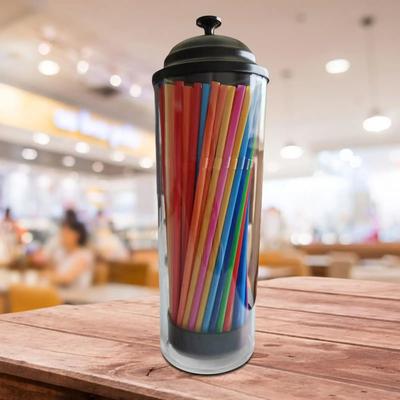
Uplift Essentials Drinking Straw Holder & Portable Countertop Container Drinking Straw Holder & Portable Countertop ContainerKeep your beverage station immaculately clean and ensure your drinking straws are always hygienic and easily accessible. This premium drinking straw holder kitchen accessories durable portable drinking straw container for dining room restaurant...79,97 $*Shipping: 0,00 $Secure redirect to the provider
-
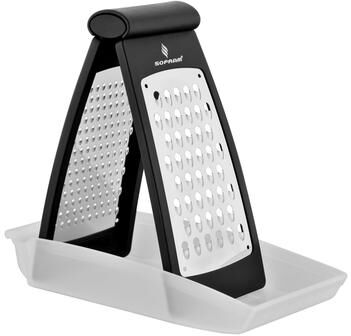
Sofram Smart Grater with ContainerSmart grater with container in green features stainless steel blades with two grating surfaces. Compact, foldable design allows easy storage inside the container, making it a practical kitchen tool for daily use.28,99 $*Shipping: 0,00 $Secure redirect to the provider
-
How much does the transport of a container cost?
The cost of transporting a container can vary depending on several factors such as the distance to be covered, the mode of transportation (road, rail, sea, or air), the size and weight of the container, and any additional services required. On average, the cost of transporting a standard 20-foot container can range from $500 to $3,000, while a 40-foot container can cost between $1,000 to $6,000. It is important to obtain quotes from different transportation companies to compare prices and services before making a decision. **
-
How can I transport cupcakes without a special container?
You can transport cupcakes without a special container by placing them in a sturdy, flat-bottomed box or container lined with non-slip shelf liner or a damp paper towel to prevent them from sliding around. You can also use a muffin tin or a shallow baking dish covered with plastic wrap. To keep the cupcakes from getting squished, place them in a single layer and avoid stacking them on top of each other. If possible, try to keep the cupcakes in a cool, stable environment during transport to prevent any frosting from melting or getting smudged. **
-
What is the food suitability of a shipping container?
A shipping container can be suitable for storing non-perishable food items such as canned goods, grains, and other dry goods. However, it is not suitable for storing perishable items or food that requires refrigeration, as the container is not climate-controlled. Additionally, it is important to ensure that the container is clean and free from any contaminants before storing food in it. Overall, a shipping container can be suitable for non-perishable food storage as long as proper precautions are taken. **
-
Where am I allowed to place a shipping container?
Shipping containers can be placed on private property with the owner's permission, as well as on construction sites, industrial areas, and commercial properties. However, placement on public property or residential areas may require special permits or zoning approvals. It's important to check local regulations and obtain any necessary permits before placing a shipping container in a specific location. **
* All prices are inclusive of VAT and, if applicable, plus shipping costs. The offer information is based on the details provided by the respective shop and is updated through automated processes. Real-time updates do not occur, so deviations can occur in individual cases. ** Note: Parts of this content were created by AI.