Buy giaohang.eu ?
We are moving the project
giaohang.eu .
Are you interested in purchasing the domain
giaohang.eu ?
domain@kv-gmbh.de · 0541-91531010
Buy giaohang.eu ?
What are mitochondria?
Mitochondria are membrane-bound organelles found in the cells of most eukaryotic organisms. They are often referred to as the powerhouse of the cell because they are responsible for producing the majority of the cell's energy in the form of adenosine triphosphate (ATP) through a process called cellular respiration. Mitochondria have their own DNA and are believed to have originated from ancient bacteria that were engulfed by a primitive eukaryotic cell through a process called endosymbiosis. They play a crucial role in various cellular functions, including metabolism, signaling, and cell death. **
How did mitochondria originate?
Mitochondria are believed to have originated from a symbiotic relationship between an ancestral eukaryotic cell and an ancient prokaryotic organism, specifically an alpha-proteobacteria. This symbiotic relationship is thought to have occurred around 1.5 billion years ago, with the prokaryotic organism being engulfed by the eukaryotic cell but not digested. Over time, this prokaryotic organism evolved into the mitochondria we see in eukaryotic cells today. This theory is supported by the fact that mitochondria have their own DNA, similar to that of bacteria, and replicate independently of the host cell. **


Similar search terms for Mitochondria
Top-Angebote
Products related to Mitochondria:
-
Inspire Select Coffee Cup Carrier Tray Thick Sponge Drink Holder For Hot & Cold Beverage Delivery, Milk Tea & Takeout Cup Transport 8 Holes 1 TierDeliver drinks with confidence using a sturdy carrier that helps prevent spills and keeps beverages secure during transport. Made from thick sponge material, this reusable tray provides excellent cushioning while helping maintain drink temperature...58,98 $*Shipping: 0,00 $Secure redirect to the provider
-
Thule Courier Bicycle Trailer + Pet Kit Bundle - Aegean BlueWhy We Love It Convertible bike trailer/strollercarries kids, cargo or dogs; Adjustablehandlebarensuresaperfect fit for any parent; 100 lb total weight capacity,suitable up to 2 children; Safespacious seats withlarge easy-access rear storage; Folds...679,92 $*Shipping: 0,00 $Secure redirect to the provider
-
Nuna Transport Travel BagDesigned to safely transport your Nuna gear; Perfect to transport your Demi Grow, TAVO, MIXX, IVVI or PIPA; Keeps gear clean during travel; Can be carried with the carry handle; Can be trolleyed behind; Convenient storage pockets;200,00 $*Shipping: 0,00 $Secure redirect to the provider
-
Bugaboo Comfort Transport Travel BagSuitable for all strollers, the Bugaboo Comfort Transport bag is durable, functional and user-friendly making it perfect for holiday travel. It provides additional protection during transport. The self standing Bugaboo Comfort Transport bag has...199,95 $*Shipping: 0,00 $Secure redirect to the provider


-
Why are mitochondria important?
Mitochondria are important because they are the powerhouse of the cell, producing the majority of the cell's energy in the form of ATP through the process of cellular respiration. This energy is essential for various cellular functions, including growth, repair, and division. Additionally, mitochondria play a crucial role in regulating cell metabolism, signaling, and cell death. Dysfunction of mitochondria has been linked to various diseases, highlighting their importance in overall cellular health and function. **
-
How are mitochondria formed?
Mitochondria are formed through a process called mitochondrial biogenesis, which involves the growth and division of existing mitochondria. Mitochondria have their own DNA and can replicate independently of the cell's nucleus. When a cell needs more energy, it signals for the production of new mitochondria through a complex interplay of signaling pathways and regulatory proteins. This process ensures that the cell has an adequate supply of mitochondria to meet its energy demands. **
-
Do all cells have mitochondria?
No, not all cells have mitochondria. Mitochondria are organelles found in eukaryotic cells, which are cells that have a true nucleus and membrane-bound organelles. Prokaryotic cells, such as bacteria, do not have mitochondria. Additionally, some eukaryotic cells, like red blood cells, lose their mitochondria as they mature. **
-
Do animal cells have mitochondria?
Yes, animal cells do have mitochondria. Mitochondria are known as the powerhouse of the cell because they are responsible for producing energy in the form of ATP through a process called cellular respiration. This organelle is found in most eukaryotic cells, including animal cells, and plays a crucial role in metabolism and energy production. **

What are mitochondria and chloroplasts?
Mitochondria are membrane-bound organelles found in the cells of eukaryotic organisms, responsible for producing energy in the form of ATP through cellular respiration. They have their own DNA and are thought to have originated from ancient bacteria through endosymbiosis. Chloroplasts are also membrane-bound organelles found in plant cells and some protists, responsible for photosynthesis, the process by which they convert sunlight into energy-rich molecules like glucose. Like mitochondria, chloroplasts also have their own DNA and are believed to have originated from ancient photosynthetic bacteria through endosymbiosis. **
What is the mitochondria experiment?
The mitochondria experiment refers to an experiment conducted by researchers to study the role and function of mitochondria in cells. This experiment typically involves manipulating the mitochondria in some way, such as by introducing mutations or altering their function, and then observing the effects on the cell and the organism as a whole. By studying the mitochondria in this way, researchers can gain insights into how these organelles contribute to various cellular processes and overall health. This type of experiment is important for advancing our understanding of mitochondrial diseases and potential treatments. **
Top-Angebote
Products related to Mitochondria:
-
Universal Stock Deluxe Drink Carrier Coffee Cup Caddy For Food Delivery, Takeout & Everyday Transport Deluxe Drink Carrier Coffee Cup Caddy For Food Delivery, Takeout & Everyday TransportExperience hasslefree drink transport wherever life takes you. This 1 pc of coffee cup carrier is designed for delivery drivers, busy families, office workers, and anyone who needs a reliable way to carry multiple beverages without spills. Its...79,97 $*Shipping: 0,00 $Secure redirect to the provider
-
Thule Courier Bicycle Trailer + Stroller - Aegean BlueKids, cargo, or canines; this versatile bike trailer is perfect for active families. Load up your family and gear for any destination with Thule Courier a safe and comfortable bike trailer for up to two kids.The large seat with padded harness and...599,95 $*Shipping: 0,00 $Secure redirect to the provider
-
Inspire Select Coffee Cup Carrier Tray Thick Sponge Drink Holder For Hot & Cold Beverage Delivery, Milk Tea & Takeout Cup Transport 8 Holes 1 TierDeliver drinks with confidence using a sturdy carrier that helps prevent spills and keeps beverages secure during transport. Made from thick sponge material, this reusable tray provides excellent cushioning while helping maintain drink temperature...58,98 $*Shipping: 0,00 $Secure redirect to the provider
-
Thule Courier Bicycle Trailer + Pet Kit Bundle - Aegean BlueWhy We Love It Convertible bike trailer/strollercarries kids, cargo or dogs; Adjustablehandlebarensuresaperfect fit for any parent; 100 lb total weight capacity,suitable up to 2 children; Safespacious seats withlarge easy-access rear storage; Folds...679,92 $*Shipping: 0,00 $Secure redirect to the provider
-
What are mitochondria?
Mitochondria are membrane-bound organelles found in the cells of most eukaryotic organisms. They are often referred to as the powerhouse of the cell because they are responsible for producing the majority of the cell's energy in the form of adenosine triphosphate (ATP) through a process called cellular respiration. Mitochondria have their own DNA and are believed to have originated from ancient bacteria that were engulfed by a primitive eukaryotic cell through a process called endosymbiosis. They play a crucial role in various cellular functions, including metabolism, signaling, and cell death. **
-
How did mitochondria originate?
Mitochondria are believed to have originated from a symbiotic relationship between an ancestral eukaryotic cell and an ancient prokaryotic organism, specifically an alpha-proteobacteria. This symbiotic relationship is thought to have occurred around 1.5 billion years ago, with the prokaryotic organism being engulfed by the eukaryotic cell but not digested. Over time, this prokaryotic organism evolved into the mitochondria we see in eukaryotic cells today. This theory is supported by the fact that mitochondria have their own DNA, similar to that of bacteria, and replicate independently of the host cell. **
-
Why are mitochondria important?
Mitochondria are important because they are the powerhouse of the cell, producing the majority of the cell's energy in the form of ATP through the process of cellular respiration. This energy is essential for various cellular functions, including growth, repair, and division. Additionally, mitochondria play a crucial role in regulating cell metabolism, signaling, and cell death. Dysfunction of mitochondria has been linked to various diseases, highlighting their importance in overall cellular health and function. **
-
How are mitochondria formed?
Mitochondria are formed through a process called mitochondrial biogenesis, which involves the growth and division of existing mitochondria. Mitochondria have their own DNA and can replicate independently of the cell's nucleus. When a cell needs more energy, it signals for the production of new mitochondria through a complex interplay of signaling pathways and regulatory proteins. This process ensures that the cell has an adequate supply of mitochondria to meet its energy demands. **
Similar search terms for Mitochondria
-
Nuna Transport Travel BagDesigned to safely transport your Nuna gear; Perfect to transport your Demi Grow, TAVO, MIXX, IVVI or PIPA; Keeps gear clean during travel; Can be carried with the carry handle; Can be trolleyed behind; Convenient storage pockets;200,00 $*Shipping: 0,00 $Secure redirect to the provider
-
Bugaboo Comfort Transport Travel BagSuitable for all strollers, the Bugaboo Comfort Transport bag is durable, functional and user-friendly making it perfect for holiday travel. It provides additional protection during transport. The self standing Bugaboo Comfort Transport bag has...199,95 $*Shipping: 0,00 $Secure redirect to the provider
-
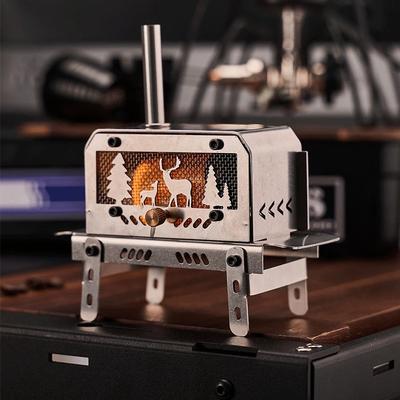
Uplifted Finds Mini Portable Folding Stove And High Fidelity Thermal Logistics Architecture Mini Portable Folding Stove And High Fidelity Thermal Logistics ArchitectureCommand ultimate environmental confidence with this Stainless Steel Mini Folding Stove, a thermal regulation solution specifically engineered to act as a comprehensive tool for elite organization and superior technical ergonomics. Built with a...177,97 $*Shipping: 0,00 $Secure redirect to the provider
-
Inspire Select Coffee Cup Carrier Tray Thick Sponge Drink Holder For Hot & Cold Beverage Delivery, Milk Tea & Takeout Cup Transport 9 Holes 1 TierDeliver drinks with confidence using a sturdy carrier that helps prevent spills and keeps beverages secure during transport. Made from thick sponge material, this reusable tray provides excellent cushioning while helping maintain drink temperature...58,96 $*Shipping: 0,00 $Secure redirect to the provider
-
Do all cells have mitochondria?
No, not all cells have mitochondria. Mitochondria are organelles found in eukaryotic cells, which are cells that have a true nucleus and membrane-bound organelles. Prokaryotic cells, such as bacteria, do not have mitochondria. Additionally, some eukaryotic cells, like red blood cells, lose their mitochondria as they mature. **
-
Do animal cells have mitochondria?
Yes, animal cells do have mitochondria. Mitochondria are known as the powerhouse of the cell because they are responsible for producing energy in the form of ATP through a process called cellular respiration. This organelle is found in most eukaryotic cells, including animal cells, and plays a crucial role in metabolism and energy production. **
-
What are mitochondria and chloroplasts?
Mitochondria are membrane-bound organelles found in the cells of eukaryotic organisms, responsible for producing energy in the form of ATP through cellular respiration. They have their own DNA and are thought to have originated from ancient bacteria through endosymbiosis. Chloroplasts are also membrane-bound organelles found in plant cells and some protists, responsible for photosynthesis, the process by which they convert sunlight into energy-rich molecules like glucose. Like mitochondria, chloroplasts also have their own DNA and are believed to have originated from ancient photosynthetic bacteria through endosymbiosis. **
-
What is the mitochondria experiment?
The mitochondria experiment refers to an experiment conducted by researchers to study the role and function of mitochondria in cells. This experiment typically involves manipulating the mitochondria in some way, such as by introducing mutations or altering their function, and then observing the effects on the cell and the organism as a whole. By studying the mitochondria in this way, researchers can gain insights into how these organelles contribute to various cellular processes and overall health. This type of experiment is important for advancing our understanding of mitochondrial diseases and potential treatments. **
* All prices are inclusive of VAT and, if applicable, plus shipping costs. The offer information is based on the details provided by the respective shop and is updated through automated processes. Real-time updates do not occur, so deviations can occur in individual cases. ** Note: Parts of this content were created by AI.