Buy giaohang.eu ?
We are moving the project
giaohang.eu .
Are you interested in purchasing the domain
giaohang.eu ?
domain@kv-gmbh.de · 0541-91531010
Buy giaohang.eu ?
What is the difference between NGK BR10ES and BR9ES?
The main difference between NGK BR10ES and BR9ES spark plugs is their heat range. The BR10ES has a higher heat range, meaning it is designed to operate at higher temperatures, while the BR9ES has a lower heat range. This difference in heat range can affect the spark plug's performance and longevity in different engine conditions. It is important to choose the correct spark plug for your specific engine to ensure optimal performance and reliability. **
Which spark plug (NGK B10HS) fits the Zündapp C50 Super?
The NGK B10HS spark plug is compatible with the Zündapp C50 Super. This spark plug is designed to fit a wide range of motorcycles, including the Zündapp C50 Super. It is important to ensure that the spark plug is properly gapped and installed according to the manufacturer's specifications for optimal performance. Additionally, regular maintenance and replacement of spark plugs is essential for the proper functioning of the engine. **
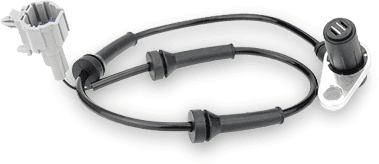

Similar search terms for NGK-81538-Sensor-RPM
Top-Angebote
Products related to NGK-81538-Sensor-RPM:
-
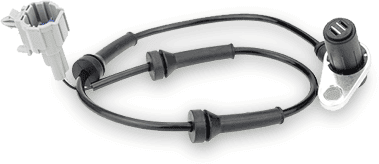
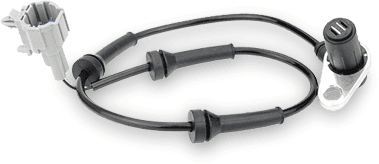
EPS 1.953.249 Sensor, RPMLength [mm]: 450; Sensor Length [mm]: 24,5; Supplementary Info: Made in Italy - OE Equivalent; TecDoc Engine Number: 22460, 22461, 22462, 22947, 22948, 22951, 22952, 22954; Construction Year from: 01/1993; Construction Year to: 12/1996; Required quantity: 135,99 £*Shipping: 8,45 £Secure redirect to the provider


-
Do NGK spark plugs have a manufacturing date stamped on them?
Yes, NGK spark plugs typically have a manufacturing date stamped on them. This date is usually located on the metal shell of the spark plug and is represented by a series of numbers and letters. The manufacturing date can be useful for determining the age of the spark plug and ensuring that it is still within its recommended lifespan. It is important to check the manufacturing date when purchasing NGK spark plugs to ensure that you are getting a fresh product. **
-
What saves fuel: Accelerating quickly at high RPM or slowly at low RPM?
Accelerating slowly at low RPM saves fuel compared to accelerating quickly at high RPM. When you accelerate quickly at high RPM, the engine has to work harder and consumes more fuel to generate the power needed for acceleration. On the other hand, accelerating slowly at low RPM allows the engine to operate more efficiently and consume less fuel. Additionally, accelerating slowly can also reduce wear and tear on the engine components, leading to potential long-term fuel savings. **
-
What saves fuel: Accelerating quickly with high RPM or slowly with low RPM?
Accelerating slowly with low RPM saves fuel compared to accelerating quickly with high RPM. When you accelerate quickly, the engine has to work harder and burn more fuel to reach higher speeds. On the other hand, accelerating slowly with low RPM allows the engine to operate more efficiently and consume less fuel. Additionally, maintaining a steady speed once you reach your desired velocity can also help save fuel. **
-
How many RPM are okay?
The appropriate RPM (revolutions per minute) for a vehicle can vary depending on the make and model. However, a general guideline is to aim for around 2,000-3,000 RPM while driving at highway speeds. This range allows the engine to operate efficiently without putting too much strain on it. It's important to consult your vehicle's manual for specific recommendations on RPM levels. **

Is RPM or APT better?
The choice between RPM and APT often comes down to personal preference and the specific Linux distribution being used. RPM is the package manager used by Red Hat-based distributions like Fedora and CentOS, while APT is used by Debian-based distributions like Ubuntu. Both package managers have their strengths and weaknesses, so it ultimately depends on the user's familiarity with the system and the specific needs of the project. **
What saves fuel: Accelerating quickly at high RPM or accelerating slowly at low RPM?
Accelerating slowly at low RPM saves fuel compared to accelerating quickly at high RPM. When you accelerate quickly at high RPM, the engine has to work harder and uses more fuel to generate the necessary power. On the other hand, accelerating slowly at low RPM allows the engine to operate more efficiently and consume less fuel. Additionally, rapid acceleration can also put more strain on the engine and other components, leading to increased fuel consumption and potential maintenance costs in the long run. **
Top-Angebote
Products related to NGK-81538-Sensor-RPM:
-
NGK 81538 Sensor, RPMSupplementary Article / Supplementary Info Info 2: without cable; Number of pins: 2; Connector Shape: angled; TecDoc Engine Number: 19713, 21133, 24748, 24749, 25155, 29897, 25138, 25149, 31131, 25156, 18494, 18497, 25055, 25056, 25226, 25137, 31130, 25157, 25105, 25106, 24751, 25152, 24750, 22881, 23888, 19360, 21149, 18874, 19367, 19817, 23887, 22408, 22409, 24268, 24269, 25154, 29755, 24295, 26543, 26768, 26769, 26770, 26771, 26772, 26544, 26773, 26775, 26776, 31670, 31982, 26774, 19357, 19361, 19216, 21905, 24270, 29758, 18875, 21397, 23885, 19374, 18872, 21148, 19375, 19353, 19355, 19356, 18194, 18252, 23125, 19359, 19352, 19358, 19365, 19369, 19368, 19378, 19379, 21010, 19376, 19377, 20991, 20980, 18275, 18702, 19371, 18701, 24737, 18421, 18536, 18537, 21135, 18530, 18534, 18535, 18538, 20836, 23109, 19714, 24966, 20888, 24726, 25139, 25140, 25143, 25646, 28089, 20987, 21037, 20330, 19372, 19373, 23875, 24665, 20890, 24668, 21011, 20443, 20446, 21012, 21014, 21134, 24755, 20889, 21889, 25645, 25647, 25644, 21903, 21904, 21171, 25151, 24271, 25150, 24273, 29759, 24272, 25158, 25224, 25230, 25225, 25231, 25057, 25058, 28611, 34129, 28582, 29756, 29757, 28610, 29657, 32745, 39743, 32302, 32303, 30783, 29265, 34866; Fitting Position: in transmission housing; Transmission Type: 5-Speed Manual Transmission, automatically operated, for manual transmission, Manual Transmission; Drive Type: Front-Wheel Drive; Transmission Code: EASYTRONIC; Engine Code: M9T696, M9T698, M9T, M9T 696, M9T 69824,99 £*Shipping: 8,45 £Secure redirect to the provider
-
What is the difference between NGK BR10ES and BR9ES?
The main difference between NGK BR10ES and BR9ES spark plugs is their heat range. The BR10ES has a higher heat range, meaning it is designed to operate at higher temperatures, while the BR9ES has a lower heat range. This difference in heat range can affect the spark plug's performance and longevity in different engine conditions. It is important to choose the correct spark plug for your specific engine to ensure optimal performance and reliability. **
-
Which spark plug (NGK B10HS) fits the Zündapp C50 Super?
The NGK B10HS spark plug is compatible with the Zündapp C50 Super. This spark plug is designed to fit a wide range of motorcycles, including the Zündapp C50 Super. It is important to ensure that the spark plug is properly gapped and installed according to the manufacturer's specifications for optimal performance. Additionally, regular maintenance and replacement of spark plugs is essential for the proper functioning of the engine. **
-
Do NGK spark plugs have a manufacturing date stamped on them?
Yes, NGK spark plugs typically have a manufacturing date stamped on them. This date is usually located on the metal shell of the spark plug and is represented by a series of numbers and letters. The manufacturing date can be useful for determining the age of the spark plug and ensuring that it is still within its recommended lifespan. It is important to check the manufacturing date when purchasing NGK spark plugs to ensure that you are getting a fresh product. **
-
What saves fuel: Accelerating quickly at high RPM or slowly at low RPM?
Accelerating slowly at low RPM saves fuel compared to accelerating quickly at high RPM. When you accelerate quickly at high RPM, the engine has to work harder and consumes more fuel to generate the power needed for acceleration. On the other hand, accelerating slowly at low RPM allows the engine to operate more efficiently and consume less fuel. Additionally, accelerating slowly can also reduce wear and tear on the engine components, leading to potential long-term fuel savings. **
Similar search terms for NGK-81538-Sensor-RPM
-
EPS 1.953.249 Sensor, RPMLength [mm]: 450; Sensor Length [mm]: 24,5; Supplementary Info: Made in Italy - OE Equivalent; TecDoc Engine Number: 22460, 22461, 22462, 22947, 22948, 22951, 22952, 22954; Construction Year from: 01/1993; Construction Year to: 12/1996; Required quantity: 135,99 £*Shipping: 8,45 £Secure redirect to the provider
-
EPS 1.953.498 Sensor, RPMSensor Length [mm]: 37,3; Supplementary Info: Made in Italy - OE Equivalent; TecDoc Engine Number: 12075, 12076, 12077, 12078, 12079, 12080, 12081, 15892, 15893, 15894, 15895, 15896, 15897, 15898, 15899, 15900, 15901, 15902, 15903, 15904, 15905, 15906, 15907, 15908, 15909, 15910, 15911, 15912, 15913, 15914, 15915, 17521, 17524, 17526, 17547, 17548, 17549, 18478, 18479, 18480, 18501, 18502, 18503, 18504, 18505, 18506, 18507, 18508, 18509, 18756, 18757, 18758, 18759, 18760, 18761, 18762, 18763, 18772, 18773, 18774, 18775, 18776, 18782, 18783, 18784, 18785, 18786, 18787, 18792, 18793, 18843, 18974, 20031, 21247, 23365, 23368, 24345, 24346, 24347, 24348, 24351, 24353, 24464, 24658, 24660, 25205, 25206, 25790, 25791, 31040, 33029, 33037; Transmission Code: GETRAG285, MTX75; Transmission Type: 5-Speed Manual Transmission, 6-Speed Manual Transmission; Fitting Position: in transmission housing; Vehicle Equipment: for vehicles with manual transmission30,49 £*Shipping: 8,45 £Secure redirect to the provider
-
What saves fuel: Accelerating quickly with high RPM or slowly with low RPM?
Accelerating slowly with low RPM saves fuel compared to accelerating quickly with high RPM. When you accelerate quickly, the engine has to work harder and burn more fuel to reach higher speeds. On the other hand, accelerating slowly with low RPM allows the engine to operate more efficiently and consume less fuel. Additionally, maintaining a steady speed once you reach your desired velocity can also help save fuel. **
-
How many RPM are okay?
The appropriate RPM (revolutions per minute) for a vehicle can vary depending on the make and model. However, a general guideline is to aim for around 2,000-3,000 RPM while driving at highway speeds. This range allows the engine to operate efficiently without putting too much strain on it. It's important to consult your vehicle's manual for specific recommendations on RPM levels. **
-
Is RPM or APT better?
The choice between RPM and APT often comes down to personal preference and the specific Linux distribution being used. RPM is the package manager used by Red Hat-based distributions like Fedora and CentOS, while APT is used by Debian-based distributions like Ubuntu. Both package managers have their strengths and weaknesses, so it ultimately depends on the user's familiarity with the system and the specific needs of the project. **
-
What saves fuel: Accelerating quickly at high RPM or accelerating slowly at low RPM?
Accelerating slowly at low RPM saves fuel compared to accelerating quickly at high RPM. When you accelerate quickly at high RPM, the engine has to work harder and uses more fuel to generate the necessary power. On the other hand, accelerating slowly at low RPM allows the engine to operate more efficiently and consume less fuel. Additionally, rapid acceleration can also put more strain on the engine and other components, leading to increased fuel consumption and potential maintenance costs in the long run. **
* All prices are inclusive of VAT and, if applicable, plus shipping costs. The offer information is based on the details provided by the respective shop and is updated through automated processes. Real-time updates do not occur, so deviations can occur in individual cases. ** Note: Parts of this content were created by AI.