Buy giaohang.eu ?
We are moving the project
giaohang.eu .
Are you interested in purchasing the domain
giaohang.eu ?
domain@kv-gmbh.de · 0541-91531010
Buy giaohang.eu ?
What is the subpolar zone?
The subpolar zone is a geographical region located between the polar and temperate zones. It is characterized by colder temperatures and shorter growing seasons compared to the temperate zone, but not as extreme as the polar zones. The subpolar zone is typically found at higher latitudes, closer to the poles, and experiences long periods of daylight in the summer and darkness in the winter. This region is home to unique ecosystems and wildlife adapted to the harsh conditions. **
Where is the subpolar zone located?
The subpolar zone is located between the polar and temperate zones, typically around 50 to 60 degrees latitude in both the Northern and Southern Hemispheres. This region experiences colder temperatures than the temperate zones but is not as extreme as the polar zones. The subpolar zone is characterized by a mix of tundra, taiga, and alpine climates, with shorter growing seasons and colder winters. **

Similar search terms for Subpolar
Top-Angebote
Products related to Subpolar:
-
Uplifted Finds Mini Portable Folding Stove And High Fidelity Thermal Logistics Architecture Mini Portable Folding Stove And High Fidelity Thermal Logistics ArchitectureCommand ultimate environmental confidence with this Stainless Steel Mini Folding Stove, a thermal regulation solution specifically engineered to act as a comprehensive tool for elite organization and superior technical ergonomics. Built with a...177,97 $*Shipping: 0,00 $Secure redirect to the provider



-
Which animals live in the subpolar zone?
Animals that live in the subpolar zone include polar bears, Arctic foxes, reindeer, musk oxen, and various species of seals and whales. These animals have adapted to the cold temperatures and harsh conditions of the subpolar regions. They have thick fur or blubber to keep them warm, and some migrate to warmer areas during the winter months. **
-
Which animals live in the subpolar tundra?
The subpolar tundra is home to a variety of animals that have adapted to the harsh, cold environment. Some of the animals that live in the subpolar tundra include caribou, musk oxen, Arctic foxes, lemmings, and snowy owls. These animals have developed special adaptations to survive in the extreme cold, such as thick fur or feathers, and the ability to find food in the snow-covered landscape. The subpolar tundra is also an important habitat for migratory birds, such as geese and ducks, that breed in the region during the short summer months. **
-
Which countries are located in the subpolar zone?
Countries located in the subpolar zone include Iceland, parts of Norway, Sweden, Finland, Russia, Canada, and the United States (Alaska). These countries experience long, cold winters with temperatures often below freezing due to their proximity to the North and South Poles. The subpolar zone is characterized by its harsh climate, with short summers and long periods of darkness in the winter. **
-
Are there also plants in the subpolar zone?
Yes, there are plants in the subpolar zone, although they are typically limited in diversity and size due to the harsh environmental conditions such as cold temperatures, strong winds, and short growing seasons. Some common plant species found in the subpolar zone include mosses, lichens, grasses, and small shrubs. These plants have adapted to survive in the challenging conditions of the subpolar zone. **

Why are Spitsbergen assigned to the subpolar zone?
Spitsbergen is assigned to the subpolar zone because of its location within the Arctic Circle. The island is situated at a high latitude, which results in long, cold winters and relatively cool summers. The subpolar zone is characterized by its proximity to the polar regions and its cold climate, making Spitsbergen a fitting location for this classification. Additionally, the island's climate and environmental conditions align with those typically found in the subpolar zone, including permafrost, tundra vegetation, and a prevalence of sea ice. **
What are the characteristics of the polar and subpolar zones?
The polar and subpolar zones are characterized by extreme cold temperatures, with average temperatures below freezing for most of the year. These regions also experience long periods of darkness in the winter and long periods of daylight in the summer due to their high latitudes. The polar and subpolar zones are home to unique ecosystems adapted to the cold, including polar bears, penguins, and various species of cold-resistant plants. These regions also have a significant impact on global climate patterns and play a key role in regulating the Earth's temperature. **
Top-Angebote
Products related to Subpolar:
-
Universal Stock Deluxe Drink Carrier Coffee Cup Caddy For Food Delivery, Takeout & Everyday Transport Deluxe Drink Carrier Coffee Cup Caddy For Food Delivery, Takeout & Everyday TransportExperience hasslefree drink transport wherever life takes you. This 1 pc of coffee cup carrier is designed for delivery drivers, busy families, office workers, and anyone who needs a reliable way to carry multiple beverages without spills. Its...79,97 $*Shipping: 0,00 $Secure redirect to the provider
-
Inspire Select Coffee Cup Carrier Tray Thick Sponge Drink Holder For Hot & Cold Beverage Delivery, Milk Tea & Takeout Cup Transport 9 Holes 1 TierDeliver drinks with confidence using a sturdy carrier that helps prevent spills and keeps beverages secure during transport. Made from thick sponge material, this reusable tray provides excellent cushioning while helping maintain drink temperature...58,96 $*Shipping: 0,00 $Secure redirect to the provider
-
Uplifted Finds Mini Portable Folding Stove And High Fidelity Thermal Logistics Architecture Mini Portable Folding Stove And High Fidelity Thermal Logistics ArchitectureCommand ultimate environmental confidence with this Stainless Steel Mini Folding Stove, a thermal regulation solution specifically engineered to act as a comprehensive tool for elite organization and superior technical ergonomics. Built with a...177,97 $*Shipping: 0,00 $Secure redirect to the provider
-
What is the subpolar zone?
The subpolar zone is a geographical region located between the polar and temperate zones. It is characterized by colder temperatures and shorter growing seasons compared to the temperate zone, but not as extreme as the polar zones. The subpolar zone is typically found at higher latitudes, closer to the poles, and experiences long periods of daylight in the summer and darkness in the winter. This region is home to unique ecosystems and wildlife adapted to the harsh conditions. **
-
Where is the subpolar zone located?
The subpolar zone is located between the polar and temperate zones, typically around 50 to 60 degrees latitude in both the Northern and Southern Hemispheres. This region experiences colder temperatures than the temperate zones but is not as extreme as the polar zones. The subpolar zone is characterized by a mix of tundra, taiga, and alpine climates, with shorter growing seasons and colder winters. **
-
Which animals live in the subpolar zone?
Animals that live in the subpolar zone include polar bears, Arctic foxes, reindeer, musk oxen, and various species of seals and whales. These animals have adapted to the cold temperatures and harsh conditions of the subpolar regions. They have thick fur or blubber to keep them warm, and some migrate to warmer areas during the winter months. **
-
Which animals live in the subpolar tundra?
The subpolar tundra is home to a variety of animals that have adapted to the harsh, cold environment. Some of the animals that live in the subpolar tundra include caribou, musk oxen, Arctic foxes, lemmings, and snowy owls. These animals have developed special adaptations to survive in the extreme cold, such as thick fur or feathers, and the ability to find food in the snow-covered landscape. The subpolar tundra is also an important habitat for migratory birds, such as geese and ducks, that breed in the region during the short summer months. **
Similar search terms for Subpolar
-
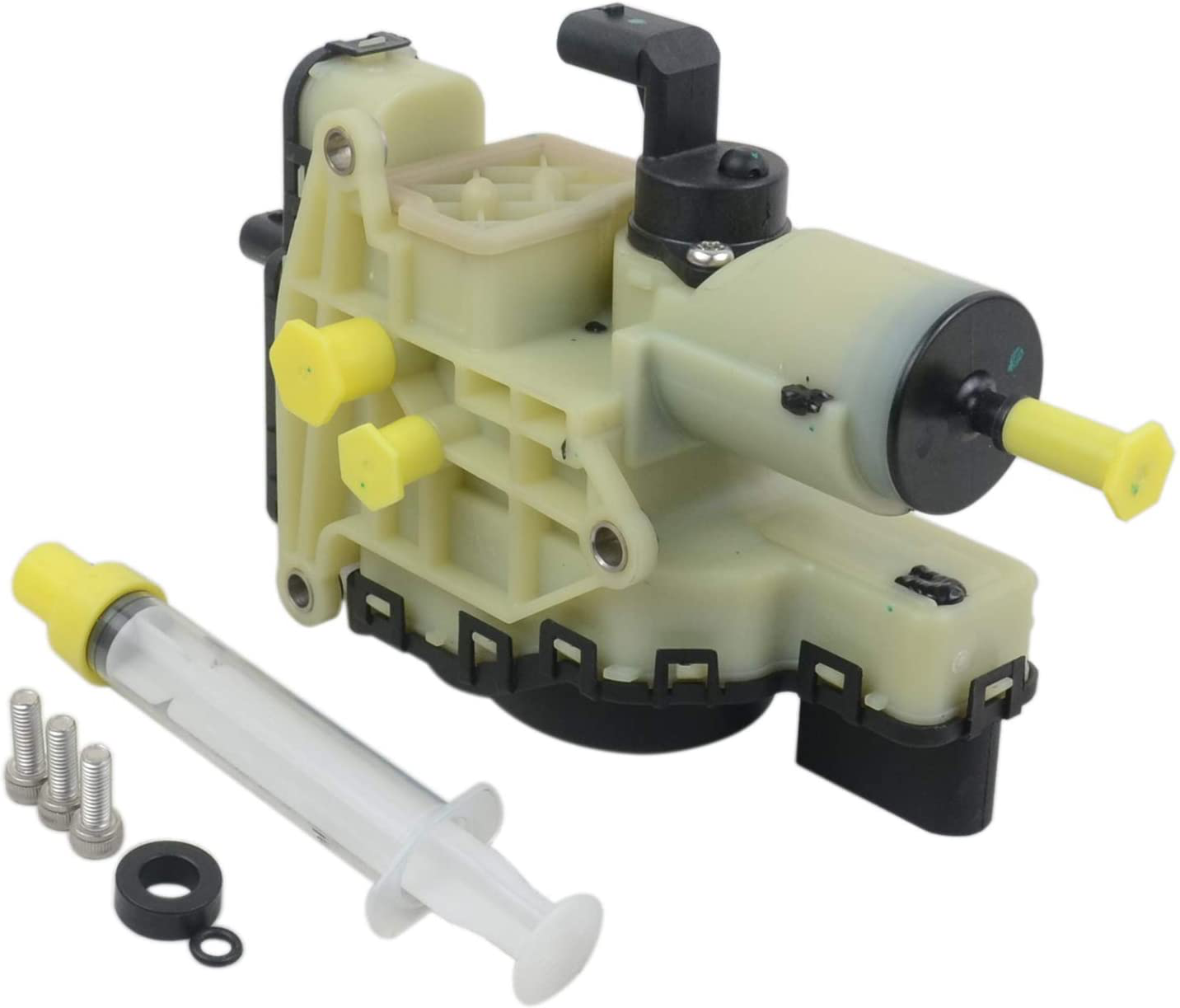
RIDEX 4254U0014 Delivery Module, urea injectionConstruction Year to: 07/2015, 02/2016, 12/2014, 11/2015, 05/2013, 08/2015, 12/2015, 08/2016, 04/2009, 12/2013, 10/2012, 08/2010, 12/2010, 01/2010, 07/2011, 01/2011, 08/2011, 01/2013, 08/2014, 03/2015; TecDoc Engine Number: 23782, 22149, 25841, 25843, 24892, 30594, 27356, 23792, 25403, 25739, 26600, 28072, 24719, 24720, 24721, 24722, 23178, 24810, 23783, 23754, 23926, 31393, 27529, 26990, 26065, 26045, 18197, 34682; Construction Year from: 09/2014, 05/2011, 07/2014, 08/2012, 05/2009, 11/2010, 06/2013, 03/2012317,99 £*Shipping: 1,99 £Secure redirect to the provider
-
Which countries are located in the subpolar zone?
Countries located in the subpolar zone include Iceland, parts of Norway, Sweden, Finland, Russia, Canada, and the United States (Alaska). These countries experience long, cold winters with temperatures often below freezing due to their proximity to the North and South Poles. The subpolar zone is characterized by its harsh climate, with short summers and long periods of darkness in the winter. **
-
Are there also plants in the subpolar zone?
Yes, there are plants in the subpolar zone, although they are typically limited in diversity and size due to the harsh environmental conditions such as cold temperatures, strong winds, and short growing seasons. Some common plant species found in the subpolar zone include mosses, lichens, grasses, and small shrubs. These plants have adapted to survive in the challenging conditions of the subpolar zone. **
-
Why are Spitsbergen assigned to the subpolar zone?
Spitsbergen is assigned to the subpolar zone because of its location within the Arctic Circle. The island is situated at a high latitude, which results in long, cold winters and relatively cool summers. The subpolar zone is characterized by its proximity to the polar regions and its cold climate, making Spitsbergen a fitting location for this classification. Additionally, the island's climate and environmental conditions align with those typically found in the subpolar zone, including permafrost, tundra vegetation, and a prevalence of sea ice. **
-
What are the characteristics of the polar and subpolar zones?
The polar and subpolar zones are characterized by extreme cold temperatures, with average temperatures below freezing for most of the year. These regions also experience long periods of darkness in the winter and long periods of daylight in the summer due to their high latitudes. The polar and subpolar zones are home to unique ecosystems adapted to the cold, including polar bears, penguins, and various species of cold-resistant plants. These regions also have a significant impact on global climate patterns and play a key role in regulating the Earth's temperature. **
* All prices are inclusive of VAT and, if applicable, plus shipping costs. The offer information is based on the details provided by the respective shop and is updated through automated processes. Real-time updates do not occur, so deviations can occur in individual cases. ** Note: Parts of this content were created by AI.