Buy giaohang.eu ?
We are moving the project
giaohang.eu .
Are you interested in purchasing the domain
giaohang.eu ?
domain@kv-gmbh.de · 0541-91531010
Buy giaohang.eu ?
What does 'leur' and 'lui' mean?
In French, 'leur' is a pronoun that means 'their' or 'them' when referring to a group of people or things. It is used to indicate possession or indirect object. On the other hand, 'lui' is a pronoun that means 'him' or 'her' when referring to a singular person. It is used to indicate possession or as an indirect object. **
How is "eux" or "leur" used in French?
"Eux" and "leur" are both pronouns used in French to refer to people or things. "Eux" is used as a direct object pronoun to replace a group of people or things, while "leur" is used as an indirect object pronoun to replace a group of people. For example, "Je les ai vus" (I saw them) uses "les" as a direct object pronoun, while "Je leur ai parlé" (I spoke to them) uses "leur" as an indirect object pronoun. **

Similar search terms for Leur
Top-Angebote
Products related to Leur:
-
Uplifted Finds Mini Portable Folding Stove And High Fidelity Thermal Logistics Architecture Mini Portable Folding Stove And High Fidelity Thermal Logistics ArchitectureCommand ultimate environmental confidence with this Stainless Steel Mini Folding Stove, a thermal regulation solution specifically engineered to act as a comprehensive tool for elite organization and superior technical ergonomics. Built with a...177,97 $*Shipping: 0,00 $Secure redirect to the provider
-
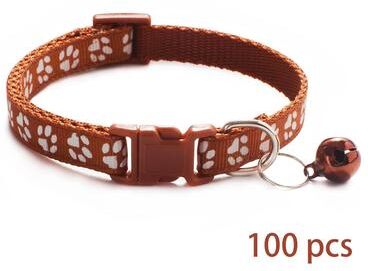
Uplifted Finds High Volume Safety Breakaway Logistics Hub yellowOptimize your pet inventory management with the HighVolume Safety Hub, a professionalgrade identification system engineered with multiunit deployment logic. This highutility lot features 100 individual collar modules, each constructed with a...165,97 $*Shipping: 0,00 $Secure redirect to the provider
-
Inspire Select Coffee Cup Carrier Tray Thick Sponge Drink Holder For Hot & Cold Beverage Delivery, Milk Tea & Takeout Cup Transport 9 Holes 1 TierDeliver drinks with confidence using a sturdy carrier that helps prevent spills and keeps beverages secure during transport. Made from thick sponge material, this reusable tray provides excellent cushioning while helping maintain drink temperature...58,96 $*Shipping: 0,00 $Secure redirect to the provider
-
Uplifted Finds High Volume Safety Breakaway Logistics Hub coffeeOptimize your pet inventory management with the HighVolume Safety Hub, a professionalgrade identification system engineered with multiunit deployment logic. This highutility lot features 100 individual collar modules, each constructed with a...165,97 $*Shipping: 0,00 $Secure redirect to the provider



-
How are the object pronouns lui and leur used?
The object pronouns lui and leur are used to replace indirect objects in French. Lui is used to replace singular indirect objects, while leur is used to replace plural indirect objects. These pronouns come before the verb in a sentence and agree in gender and number with the noun they are replacing. For example, "Je lui parle" means "I am talking to him/her" and "Je leur donne des cadeaux" means "I am giving them gifts." **
-
What is the difference between ses, leur and leurs?
Ses, leur, and leurs are all possessive adjectives in French, but they are used in different contexts. "Ses" is used to indicate possession by a singular third person, "leur" is used for a singular third person, and "leurs" is used for plural third person. For example, "ses chaussures" means "his/her shoes," "leur maison" means "their house," and "leurs voitures" means "their cars." It's important to pay attention to the number and gender of the noun being possessed in order to choose the correct possessive adjective. **
-
'I don't understand the use of lui and leur?'
In French, "lui" and "leur" are both used as indirect object pronouns to replace nouns that are the recipients of the action. "Lui" is used to refer to a singular masculine or feminine noun, while "leur" is used to refer to a plural noun. For example, "Je lui ai donné le livre" means "I gave him/her the book," and "Je leur ai donné les livres" means "I gave them the books." It's important to remember that these pronouns must agree in gender and number with the noun they are replacing. **
-
When do I use leur and leurs in French?
You use "leur" when you want to indicate possession or belonging for a singular noun, and "leurs" when you want to indicate possession or belonging for plural nouns. For example, "leur maison" means "their house" (singular), and "leurs voitures" means "their cars" (plural). **


What is the difference between leur and leurs in French?
In French, "leur" is used as a singular possessive pronoun meaning "their" when referring to one person or thing. On the other hand, "leurs" is the plural form of "leur" and is used when referring to multiple people or things. So, the main difference between "leur" and "leurs" is that "leur" is singular and "leurs" is plural. **
How can one recognize when to use "leur" or "eux"?
One can recognize when to use "leur" or "eux" by understanding their different functions in a sentence. "Leur" is a pronoun used to indicate possession or indirect object, while "eux" is a pronoun used as a subject or direct object. Therefore, if the pronoun is referring to possession or an indirect object, "leur" should be used. If the pronoun is referring to a subject or direct object, "eux" should be used. **
Top-Angebote
Products related to Leur:
-
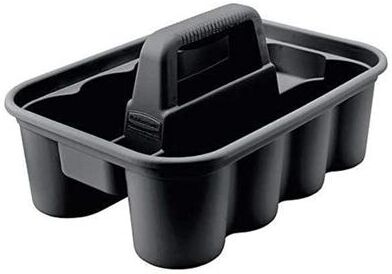
Universal Stock Deluxe Drink Carrier Coffee Cup Caddy For Food Delivery, Takeout & Everyday Transport Deluxe Drink Carrier Coffee Cup Caddy For Food Delivery, Takeout & Everyday TransportExperience hasslefree drink transport wherever life takes you. This 1 pc of coffee cup carrier is designed for delivery drivers, busy families, office workers, and anyone who needs a reliable way to carry multiple beverages without spills. Its...79,97 $*Shipping: 0,00 $Secure redirect to the provider
-
Inspire Select Coffee Cup Carrier Tray Thick Sponge Drink Holder For Hot & Cold Beverage Delivery, Milk Tea & Takeout Cup Transport 8 Holes 1 TierDeliver drinks with confidence using a sturdy carrier that helps prevent spills and keeps beverages secure during transport. Made from thick sponge material, this reusable tray provides excellent cushioning while helping maintain drink temperature...58,98 $*Shipping: 0,00 $Secure redirect to the provider
-
Uplifted Finds Mini Portable Folding Stove And High Fidelity Thermal Logistics Architecture Mini Portable Folding Stove And High Fidelity Thermal Logistics ArchitectureCommand ultimate environmental confidence with this Stainless Steel Mini Folding Stove, a thermal regulation solution specifically engineered to act as a comprehensive tool for elite organization and superior technical ergonomics. Built with a...177,97 $*Shipping: 0,00 $Secure redirect to the provider
-
Uplifted Finds High Volume Safety Breakaway Logistics Hub yellowOptimize your pet inventory management with the HighVolume Safety Hub, a professionalgrade identification system engineered with multiunit deployment logic. This highutility lot features 100 individual collar modules, each constructed with a...165,97 $*Shipping: 0,00 $Secure redirect to the provider
-
What does 'leur' and 'lui' mean?
In French, 'leur' is a pronoun that means 'their' or 'them' when referring to a group of people or things. It is used to indicate possession or indirect object. On the other hand, 'lui' is a pronoun that means 'him' or 'her' when referring to a singular person. It is used to indicate possession or as an indirect object. **
-
How is "eux" or "leur" used in French?
"Eux" and "leur" are both pronouns used in French to refer to people or things. "Eux" is used as a direct object pronoun to replace a group of people or things, while "leur" is used as an indirect object pronoun to replace a group of people. For example, "Je les ai vus" (I saw them) uses "les" as a direct object pronoun, while "Je leur ai parlé" (I spoke to them) uses "leur" as an indirect object pronoun. **
-
How are the object pronouns lui and leur used?
The object pronouns lui and leur are used to replace indirect objects in French. Lui is used to replace singular indirect objects, while leur is used to replace plural indirect objects. These pronouns come before the verb in a sentence and agree in gender and number with the noun they are replacing. For example, "Je lui parle" means "I am talking to him/her" and "Je leur donne des cadeaux" means "I am giving them gifts." **
-
What is the difference between ses, leur and leurs?
Ses, leur, and leurs are all possessive adjectives in French, but they are used in different contexts. "Ses" is used to indicate possession by a singular third person, "leur" is used for a singular third person, and "leurs" is used for plural third person. For example, "ses chaussures" means "his/her shoes," "leur maison" means "their house," and "leurs voitures" means "their cars." It's important to pay attention to the number and gender of the noun being possessed in order to choose the correct possessive adjective. **
Similar search terms for Leur
-
Inspire Select Coffee Cup Carrier Tray Thick Sponge Drink Holder For Hot & Cold Beverage Delivery, Milk Tea & Takeout Cup Transport 9 Holes 1 TierDeliver drinks with confidence using a sturdy carrier that helps prevent spills and keeps beverages secure during transport. Made from thick sponge material, this reusable tray provides excellent cushioning while helping maintain drink temperature...58,96 $*Shipping: 0,00 $Secure redirect to the provider
-
Uplifted Finds High Volume Safety Breakaway Logistics Hub coffeeOptimize your pet inventory management with the HighVolume Safety Hub, a professionalgrade identification system engineered with multiunit deployment logic. This highutility lot features 100 individual collar modules, each constructed with a...165,97 $*Shipping: 0,00 $Secure redirect to the provider
-
Uplifted Finds High Volume Safety Breakaway Logistics Hub greenOptimize your pet inventory management with the HighVolume Safety Hub, a professionalgrade identification system engineered with multiunit deployment logic. This highutility lot features 100 individual collar modules, each constructed with a...165,97 $*Shipping: 0,00 $Secure redirect to the provider
-
Uplifted Finds High Volume Safety Breakaway Logistics Hub grayOptimize your pet inventory management with the HighVolume Safety Hub, a professionalgrade identification system engineered with multiunit deployment logic. This highutility lot features 100 individual collar modules, each constructed with a...165,97 $*Shipping: 0,00 $Secure redirect to the provider
-
'I don't understand the use of lui and leur?'
In French, "lui" and "leur" are both used as indirect object pronouns to replace nouns that are the recipients of the action. "Lui" is used to refer to a singular masculine or feminine noun, while "leur" is used to refer to a plural noun. For example, "Je lui ai donné le livre" means "I gave him/her the book," and "Je leur ai donné les livres" means "I gave them the books." It's important to remember that these pronouns must agree in gender and number with the noun they are replacing. **
-
When do I use leur and leurs in French?
You use "leur" when you want to indicate possession or belonging for a singular noun, and "leurs" when you want to indicate possession or belonging for plural nouns. For example, "leur maison" means "their house" (singular), and "leurs voitures" means "their cars" (plural). **
-
What is the difference between leur and leurs in French?
In French, "leur" is used as a singular possessive pronoun meaning "their" when referring to one person or thing. On the other hand, "leurs" is the plural form of "leur" and is used when referring to multiple people or things. So, the main difference between "leur" and "leurs" is that "leur" is singular and "leurs" is plural. **
-
How can one recognize when to use "leur" or "eux"?
One can recognize when to use "leur" or "eux" by understanding their different functions in a sentence. "Leur" is a pronoun used to indicate possession or indirect object, while "eux" is a pronoun used as a subject or direct object. Therefore, if the pronoun is referring to possession or an indirect object, "leur" should be used. If the pronoun is referring to a subject or direct object, "eux" should be used. **
* All prices are inclusive of VAT and, if applicable, plus shipping costs. The offer information is based on the details provided by the respective shop and is updated through automated processes. Real-time updates do not occur, so deviations can occur in individual cases. ** Note: Parts of this content were created by AI.